Plastic vs terracotta pots in UAE heat: which keeps roots cooler?
By FITTO Trade Desk · Last updated 29 October 2026
In plastic vs terracotta pots, a moist terracotta pot keeps roots cooler than a dark plastic pot, because water evaporating through the clay cools it. But clay also dries out much faster in UAE heat. For most balconies and AC rooms, a light-coloured plastic pot, or a plastic pot inside a decorative one, is the better balance.
Key takeaways
- Unglazed terracotta cools roots only while it is wet; once dry, that advantage is gone.
- Clay can lose water through its walls fast enough to need watering twice a day in July.
- Dark plastic is the hottest choice in full sun; white or light grey plastic runs much cooler.
- Clay suits succulents and anyone who overwaters; plastic suits busy owners, balconies and AC rooms.
- Terracotta-colour plastic gives the clay look at a fraction of the weight.
A pot that looks right but cooks roots or dries out by noon costs a plant every summer. The plastic vs terracotta pots (أصص فخارية) question decides how often you water, how heavy your balcony gets and how many pots break in a year.
This comparison is for home gardeners choosing pots, and for plant shop staff answering the same question at the till. At FITTO Garden, a wholesale planters and plant care supplier in the UAE, we stock plastic pots, including terracotta-colour designs, so we are open about where real clay wins.
How do plastic vs terracotta pots compare at a glance?
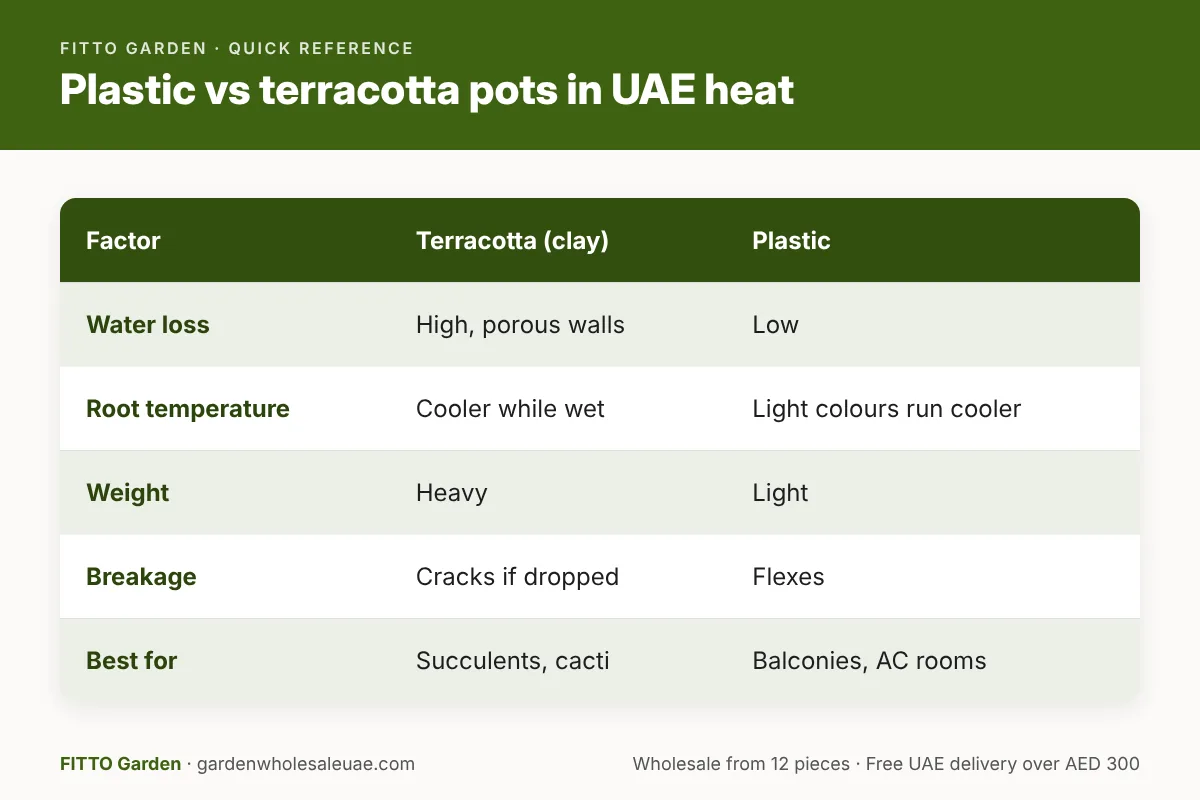
Terracotta breathes and cools when wet; plastic holds water and weighs little. Neither is better everywhere, so match the pot to the spot.
| Factor | Unglazed terracotta (clay) | Plastic |
|---|---|---|
| Water loss | High: walls are porous | Low: water leaves only from the soil surface and drainage holes |
| Root temperature | Cooler while moist; warms once dry | Depends on colour; dark gets hottest, light stays cooler |
| Weight | Heavy, even empty | Light; easy to move into shade |
| Breakage | Cracks if dropped or knocked over by wind | Flexes; thin plastic can split after years of UV |
| Salt build-up | White crust forms on the outside | Little visible crust; flush soil instead |
| Watering in summer | Often twice a day in full sun | Usually once a day in full sun |
| Best for | Succulents, cacti, overwaterers | Balconies, AC rooms, large plants, busy owners |
Which pot actually keeps roots cooler in UAE heat?
A wet clay pot is usually cooler than a dark plastic pot in the same sun, but only while it stays wet. This is a general horticultural finding, and the gap shrinks a lot with light-coloured plastic.
Clay cools the way a traditional water jar does: water seeps into the wall and evaporates, taking heat with it. Inland, in dry air, that effect is strong. On the coast in August, when humidity is high, evaporation slows and the cooling effect weakens.
Colour matters as much as material. A black plastic pot in direct sun absorbs heat and can warm the outer roots well above air temperature. A white or light grey pot reflects much of that sun. If a plant must stand in full afternoon sun, a light-coloured plastic pot with enough soil is a practical answer.
Which pot needs less watering?
Plastic, by a clear margin. It loses water only through the soil surface and drainage holes, while unglazed clay also loses it through every centimetre of wall.
In a UAE summer that difference decides whether you water once or twice a day. Small clay pots under 20 cm on a sunny balcony can dry out by early afternoon. See our guide on how often to water plants in a UAE summer for a schedule by pot size.
The same porosity is why clay helps people who overwater. Soil in clay dries faster, which reduces the risk of root rot in succulents and cacti indoors.
How do weight and breakage compare?
Clay is heavy and breaks; plastic is light and forgiving. On a high-floor balcony, both points matter.
A large clay pot filled with wet soil can be hard for one person to move, and building rules may limit weight on balconies. Strong shamal winds can tip tall plants, and a clay pot that falls usually cracks. Plastic pots flex and survive most knocks.
Clay does last for years if it is never dropped. Plastic eventually fades and stiffens under UV, so choose thicker, good-quality pots and expect to replace thin ones sooner.
Which pot should you choose for each spot?
Choose by location, not by looks alone. These verdicts cover the three places most UAE buyers ask about.
- Hot balcony or roof terrace: light-coloured plastic, at least 30 cm for shrubs. Our list of heat-tolerant balcony plants pairs each plant with a pot size.
- Villa garden, ground level: either. Clay looks natural in shaded courtyards; use plastic for large plants you move with the seasons.
- Indoor AC rooms: plastic for most leafy house plants, as AC air already dries leaves. Clay for succulents, cacti and plants that suffer from overwatering.
For the look of clay without the drawbacks, use terracotta-colour plastic. Another option is double potting: keep the plant in a plastic pot and stand it inside a larger decorative pot. The air gap insulates the roots from direct sun.
How do you get the best from each material?
Soak clay, shade plastic, and give both drainage holes. A few habits remove most of the downsides.
- Soak a new clay pot in water for an hour before planting, so it does not pull water from fresh soil.
- Scrub off white salt crust on clay with a stiff brush and a vinegar solution, then rinse well.
- Flush plastic pots with plenty of water once a month to wash salts out of the drainage holes.
- Stand pots on saucers or trays, not directly on hot tiles, and empty the saucer after watering.
- Group pots so they shade each other's walls in the afternoon.
Our plant pots guide covers sizing and drainage in more depth.
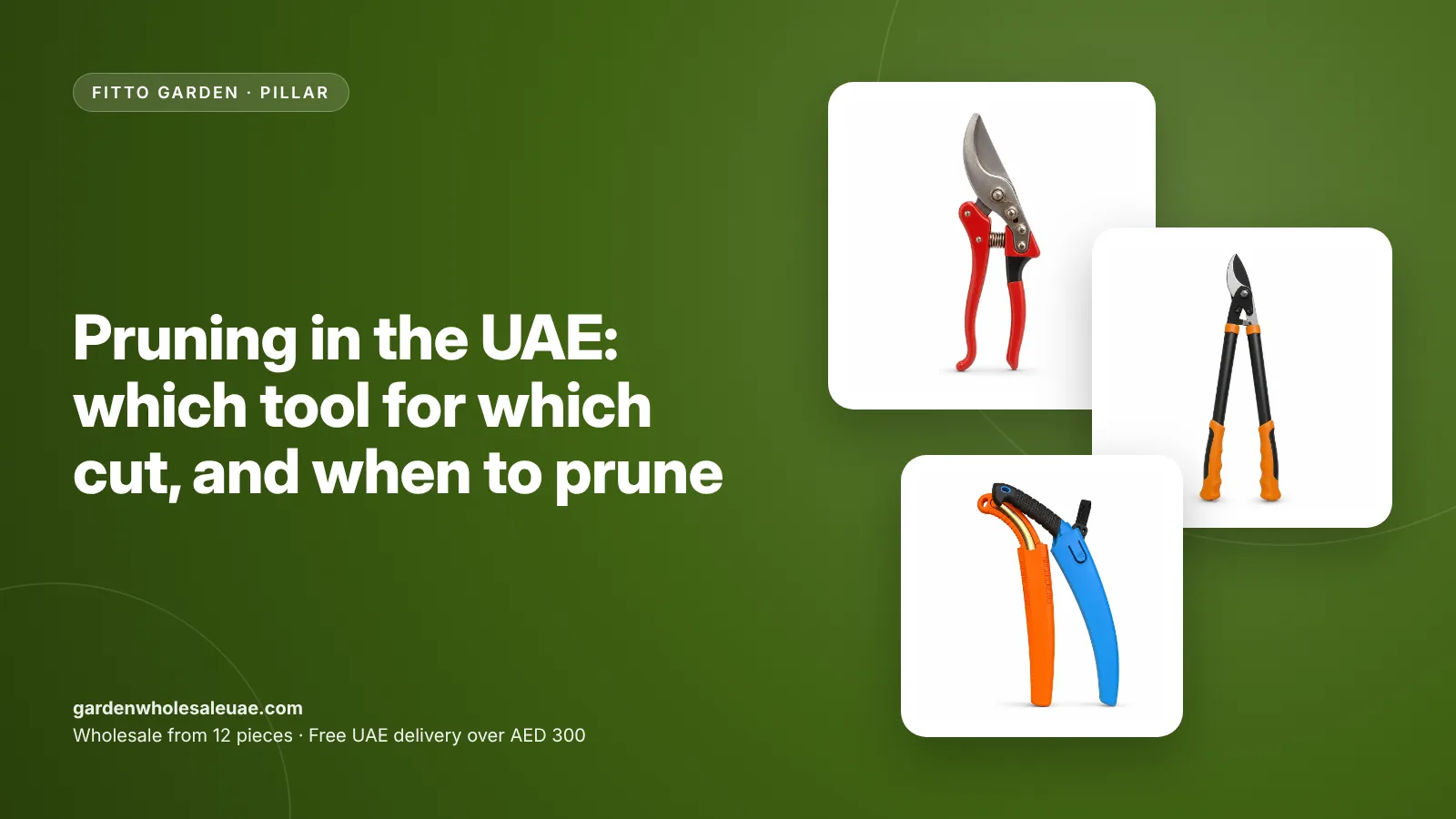
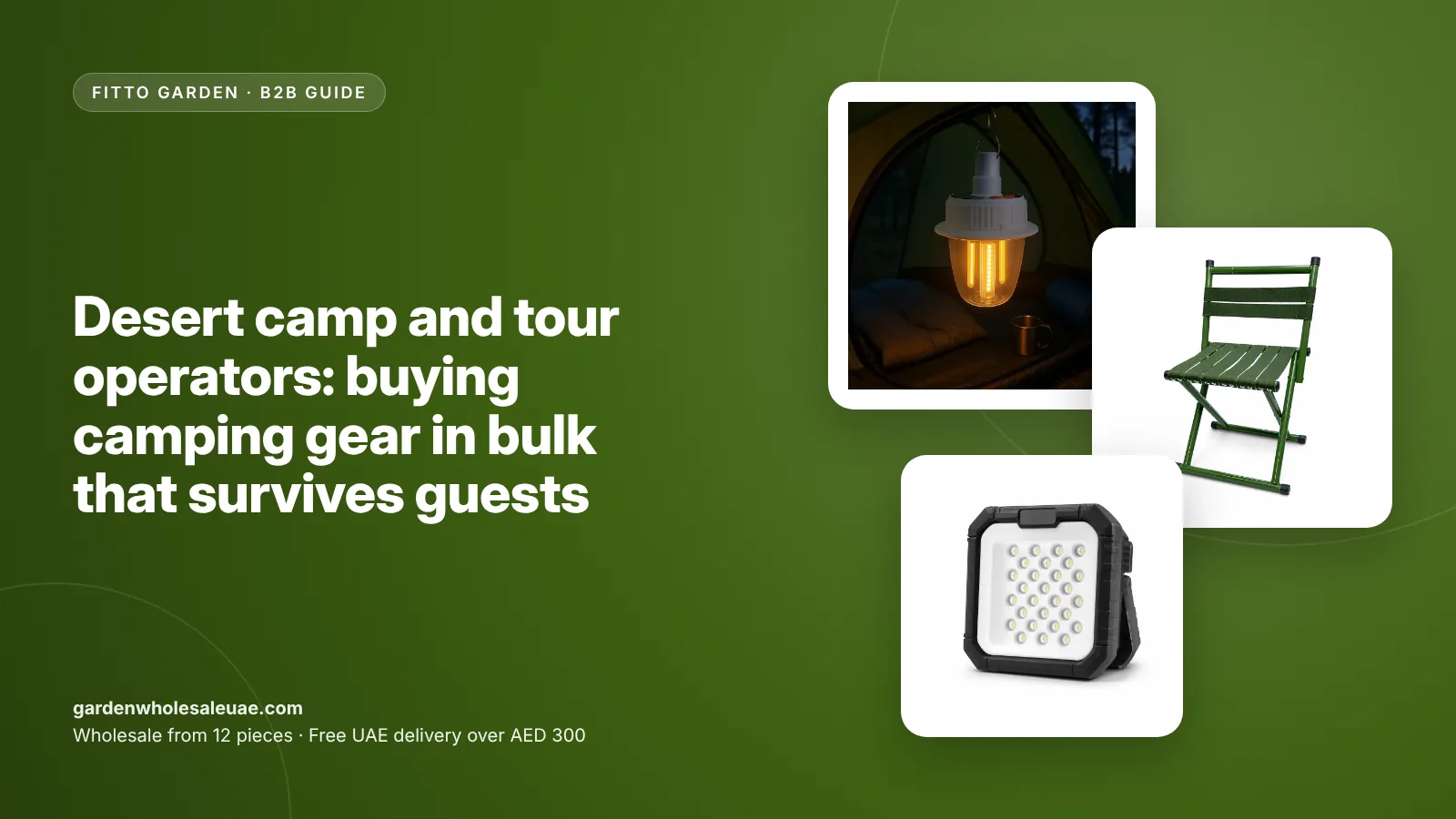
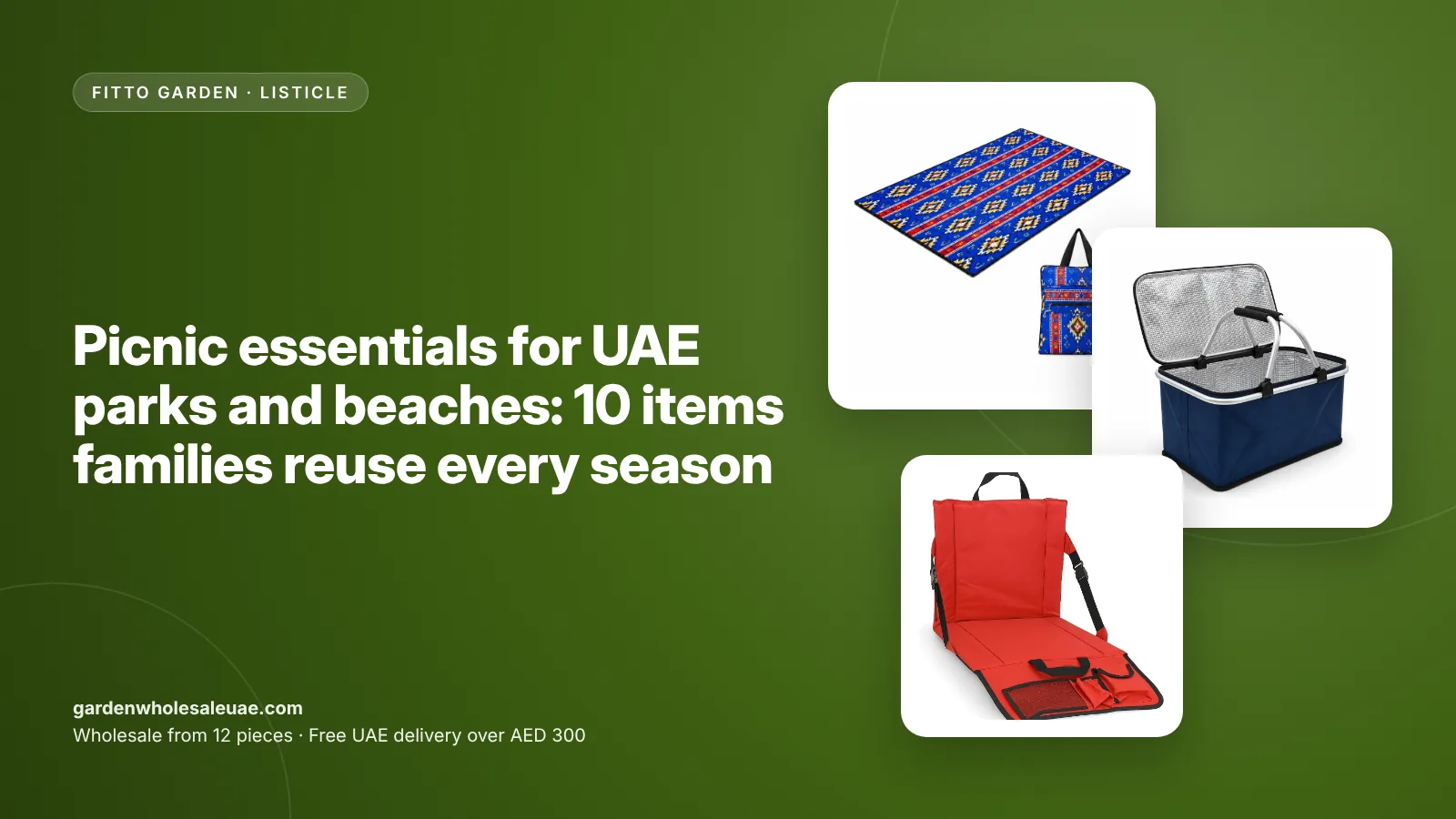
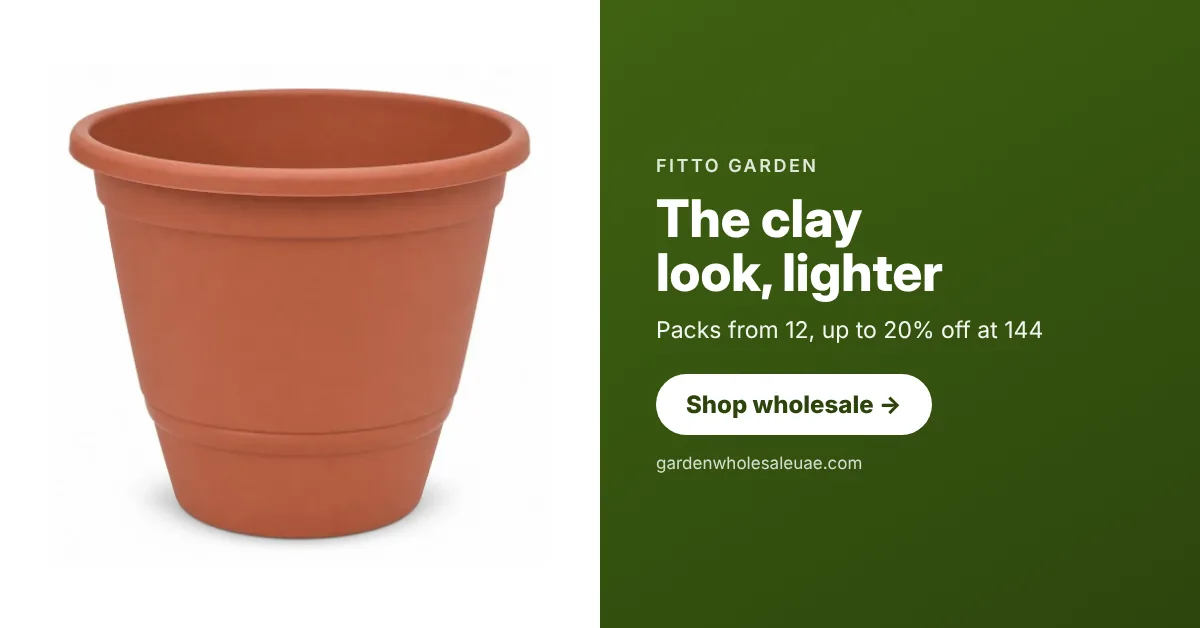
FITTO Trade Pick: The clay look without the weight The 35 cm tapered terracotta-colour pot is lightweight PP plastic with a classic clay shape, the 40 cm matte white planter stays cooler in full sun, and the 20 cm brick red flower pot pairs with a 15 cm terracotta saucer for small plants. Wholesale packs start at 12 pieces, with up to 20% lower cost per piece on 144-piece packs.
The bottom line
Terracotta keeps roots cooler only while it is wet, and in UAE heat it dries fast. For balconies and AC rooms, light-coloured plastic or a terracotta-look plastic pot is the safer everyday choice; keep real clay for succulents and shaded courtyards.
Browse our wholesale planters and plant care range, request a quote or order a sample. Delivery is free across all seven emirates over AED 300, and our team answers on WhatsApp at +971 55 672 6947. FITTO Garden: fit for the way you grow.
FAQ
Are black plastic pots bad in a UAE summer?+
In full sun, yes. Black plastic absorbs heat and can warm the outer roots far above air temperature. Use black pots indoors, in shade or inside a decorative pot, and choose white, grey or terracotta-colour pots for sunny balconies and terraces.
Do terracotta pots need to be soaked before planting?+
It helps. A dry new clay pot pulls water out of fresh potting mix, which stresses a newly planted root ball. Soak it for about an hour, let the surface dry, then plant. Some gardeners also rinse old pots the same way before reuse.
What is the white crust on terracotta pots?+
It is mineral and fertiliser salt left behind as water evaporates through the clay. It does not harm the pot, but heavy build-up on the rim can touch stems. Scrub it off with a brush and a vinegar solution, and flush the soil with plenty of water.
Which pot is better for succulents and cacti?+
Unglazed terracotta, especially indoors under AC. The porous walls help the soil dry between waterings, which is what these plants need. Use a gritty, free-draining mix and a pot with a drainage hole whichever material you choose.
Can I put a plastic pot inside a terracotta pot?+
Yes, and it is a good method for hot balconies. Keep the plant in a plastic pot with drainage holes, stand it on a few pebbles inside the larger pot, and the air gap insulates the roots. Lift it out to water and drain.